
West Bridgewater
Electrical Training
Program for Electricians
Back to Programs
Apply Now
Request Information
Financial Aid
Start Building Your Future in the Electrical Trade
Whether you're beginning a new career, expanding your technical skills, or preparing for apprenticeship opportunities, Southeastern Technical Institute's Electrical Training Program for Electricians can help you take the next step. Gain hands-on experience, learn from experienced instructors, and develop the practical knowledge employers value throughout southeastern Massachusetts.
Electricity Program Resources
Admission
Course Description
Program Expenses
Program Schedule
Every
JAN
750 Hours Program
Mon – Thu
4:30 PM – 9:30 PM
West Bridgewater Electrical Training Program for Electricians | Develop Hands-On Electrical Skills for Today's Workforce
If you're searching for a West Bridgewater Electrical Training Program for Electricians, you're likely looking for more than a place to learn basic wiring techniques. You want practical training that prepares you for real-world electrical work, helps you build technical confidence, and develops the professional habits employers expect in today's construction, manufacturing, and maintenance industries. At South Eastern Technical Institute (TI), students from West Bridgewater and throughout southeastern Massachusetts have received career-focused technical education for more than 50 years through a combination of classroom instruction and hands-on laboratory training.For many West Bridgewater residents, an electrical career offers the opportunity to become a trusted professional within the communities they already know. Southeastern Technical Institute (TI) appeals to students who want to develop practical skills that support homeowners, local businesses, and community organizations while remaining close to home throughout their education. Students commuting from areas near West Bridgewater Middle-Senior High School, the Matfield River Greenway, Town Hall Green, Belmont Street, the Pleasant Street neighborhood, or Old Bridgewater Square can conveniently reach TI's South Easton campus. Through hands-on instruction in electrical installation, system maintenance, and code-compliant wiring practices, students prepare to deliver the reliable service that local communities depend on every day.
Why More Students Are Choosing Careers in the Electrical Trade
Electricians play a critical role in nearly every industry. From installing electrical systems in new homes and commercial buildings to maintaining equipment in manufacturing facilities and supporting public infrastructure, skilled electricians help keep communities operating safely and efficiently.
For many students, electrical work offers the opportunity to combine technical knowledge with practical problem-solving. Every project requires careful planning, precision, and an understanding of how electrical systems function together. As technologies continue to evolve, electricians also work with modern controls, energy-efficient systems, and increasingly sophisticated electrical equipment.
Students pursuing West Bridgewater Electrical Training Program for Electricians often choose this career because it allows them to:
- Develop practical, hands-on technical skills.
- Build strong troubleshooting and problem-solving abilities.
- Work in residential, commercial, or industrial environments.
- Learn a trade that supports long-term professional growth.
- Contribute to projects that power homes, businesses, and communities.
%
TI Current Job Placement Rate
%
TI Current Completion Rate
What Will You Learn During Electrical Training?
A successful electrician needs much more than the ability to connect wires. Every installation depends on understanding electrical theory, interpreting technical drawings, following safety procedures, and applying precision throughout every stage of a project. At TI, students build these core competencies through a structured curriculum that combines classroom instruction with practical laboratory experience.
Throughout the program, students develop foundational knowledge in areas such as:
- Electrical theory and circuit fundamentals
- Residential and commercial wiring concepts
- Blueprint and electrical schematic interpretation
- Conduit installation principles
- Electrical measurements and testing procedures
- Basic motor controls
- Electrical troubleshooting techniques
- Professional communication and teamwork
- Workplace safety and OSHA-informed practices
Rather than simply memorizing terminology, students learn how electrical systems operate and why proper installation methods are essential. Instructor-guided laboratory exercises reinforce classroom concepts by allowing students to apply what they learn in controlled, hands-on learning environments. This practical approach helps students strengthen technical accuracy while developing the confidence needed for entry-level positions in the electrical industry.
Learn by Working with Industry-Relevant Tools and Equipment
Technical knowledge becomes more valuable when students have the opportunity to apply it through hands-on experience. At TI, laboratory instruction allows students to work with industry-relevant tools, equipment, and instructional systems while developing safe work habits and professional techniques.
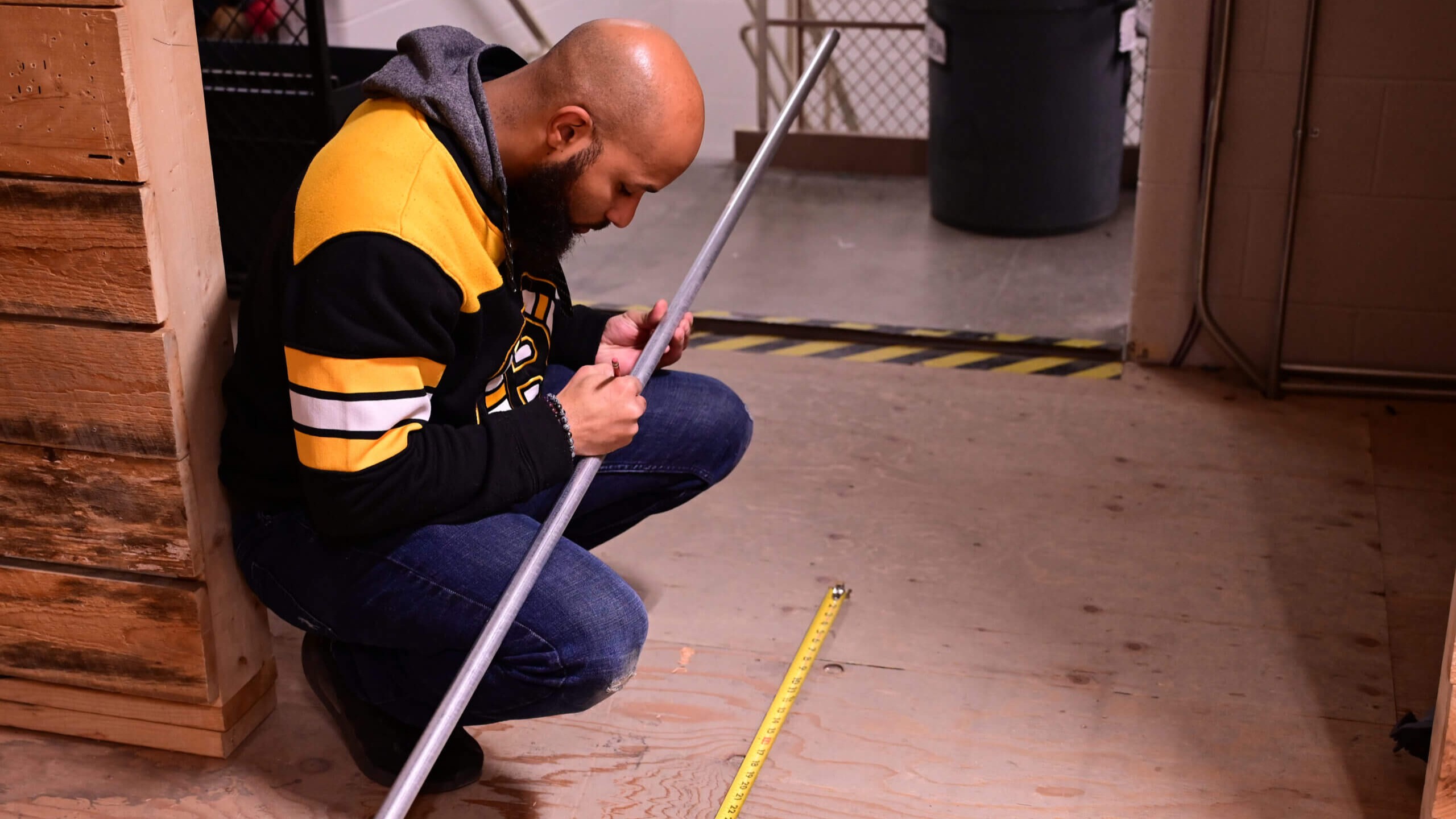
Students gain experience using common electrical hand tools, measuring instruments, and testing equipment while practicing tasks such as interpreting wiring diagrams, making electrical connections, identifying circuits, and troubleshooting basic electrical systems. Through instructor demonstrations, guided exercises, and progressively challenging projects, students develop the precision and attention to detail expected in today's electrical workforce.
Every laboratory assignment is designed to reinforce critical thinking, problem-solving, and workplace professionalism while helping students understand how classroom concepts translate into real electrical applications.
Why Electrical Safety Is a Core Part of Training
Electrical work requires technical knowledge, but it also demands a strong commitment to safety. Understanding how to recognize hazards, follow established procedures, and use equipment responsibly is essential in every residential, commercial, and industrial setting.
Throughout TI's Electrical Training Program, safety is integrated into every stage of instruction. Students learn the importance of personal protective equipment (PPE), proper tool handling, electrical hazard awareness, lockout/tagout procedures, workplace organization, and professional responsibility. They also develop an understanding of why careful planning, accurate measurements, and attention to detail contribute not only to quality workmanship but also to a safer work environment.
By building these habits from the beginning of their education, students develop the professional mindset employers value and establish a strong foundation for continued growth within the electrical trade.
Is This Program Right for Beginners?
Absolutely. Many students begin TI's Electrical Training Program with little or no previous experience in the electrical or construction trades. The curriculum is designed to help beginners develop confidence through a step-by-step learning process that starts with foundational concepts before progressing to more advanced electrical applications.
Students first build an understanding of electrical theory, safety procedures, blueprint interpretation, and basic wiring principles before applying those concepts during hands-on laboratory exercises. As their technical knowledge grows, they gain experience solving electrical problems, interpreting wiring diagrams, and working through practical projects that reflect real workplace scenarios. Whether you're a recent high school graduate, changing careers, or returning to school after time in the workforce, TI provides a supportive environment where students can develop both technical competence and professional confidence.
Preparing for Apprenticeships and Future Career Opportunities
A successful electrical career is built on a strong technical foundation. Employers look for entry-level workers who understand electrical fundamentals, follow safety procedures, communicate effectively, and demonstrate the ability to learn on the job.
TI's Electrical Training Program helps students develop these essential workplace skills through hands-on instruction, practical laboratory experience, and career-focused education. In addition to strengthening technical abilities, students learn the importance of professionalism, teamwork, and problem-solving—qualities that employers consistently value across residential, commercial, and industrial settings.
Students interested in apprenticeship opportunities or Massachusetts licensing pathways are encouraged to speak with TI's Admissions Office for current program information and guidance on the next steps toward entering the electrical profession.
Where Can Electrical Training Take You?
Electrical skills are needed across a wide range of industries, making this trade one of the most versatile career paths in today's workforce. As homes, businesses, manufacturing facilities, and public infrastructure continue to rely on safe and efficient electrical systems, qualified professionals remain an important part of the construction and maintenance industries.
Graduates of TI's Electrical Training Program may pursue entry-level opportunities in areas such as:
- Residential electrical installation
- Commercial construction
- Industrial maintenance
- Manufacturing facilities
- Facility and building maintenance
- Electrical contracting companies
- Public infrastructure projects
- Renewable energy support industries
Because electrical skills are transferable across multiple industries, graduates can continue expanding their knowledge and exploring a variety of career opportunities as they gain professional experience.
Why West Bridgewater Residents Choose TI for Electrical Training
Student Spotlight: From Curiosity to Career Readiness
Frequently Asked Questions About West Bridgewater Electrical Training Program for Electricians
Do I need previous electrical experience before enrolling?
No. The program is designed for beginners and provides step-by-step instruction that starts with electrical fundamentals before progressing to more advanced concepts and hands-on laboratory projects.
What technical skills will I develop during training?
Students develop practical skills in electrical theory, residential and commercial wiring concepts, blueprint interpretation, troubleshooting, conduit installation principles, electrical measurements, workplace safety, and professional communication.
Will I receive hands-on training using professional tools?
Yes. Students participate in supervised laboratory instruction using industry-relevant tools, testing equipment, and instructional systems that reinforce classroom learning through practical application.
What types of careers can graduates pursue?
Graduates may pursue entry-level opportunities in residential construction, commercial electrical work, industrial maintenance, manufacturing, facility management, electrical contracting, and public infrastructure projects.
What careers can I pursue after completing the Culinary Arts Training Program?
Graduates may qualify for entry-level opportunities in restaurants, hotels, bakeries, catering companies, healthcare facilities, institutional dining services, and other hospitality or food service organizations. Career advancement depends on experience, employer requirements, and continued professional development.
How important is electrical safety during training?
Safety is integrated throughout the program. Students learn proper use of personal protective equipment (PPE), electrical hazard awareness, lockout/tagout procedures, safe tool handling, and workplace best practices that help prepare them for professional environments.
Does TI help prepare students for apprenticeships?
TI provides the technical foundation, practical experience, and workplace skills that support entry into the electrical industry. Students should consult the Admissions Office for current information regarding apprenticeship opportunities and Massachusetts licensing pathways.
Why do students from West Bridgewater choose TI?
Students choose TI because of its convenient location, more than 50 years of technical education experience, accredited public institution status, experienced faculty, and career-focused approach to hands-on technical training.
What makes electrical work a good long-term career?
Electrical professionals continue to play an essential role in residential construction, commercial development, manufacturing, maintenance, and infrastructure projects. The broad demand for electrical skills provides opportunities for continued professional growth as industries and technologies evolve.
Electricity Program Approval & Accreditation
Southeastern Technical Institute
is accredited by the Commission of the Council on Occupational Education
7840 Roswell Road, Building 300, Suite 325 Atlanta, GA 30350
www.council.org
770.396.3898
Massachusetts Department of Elementary & Secondary Education
Office for Career/Vocational Technical Education
75 Pleasant Street
Malden, MA 02148-4906
www.doe.mass.edu
781.338.3000
Commonwealth of Massachusetts
Board of State Examiners of Electricians
1000 Washington Street, Suite 710
Boston, MA 02118-6100
www.mass.gov
617.727.3074
Electrical Training Program for Electricians in West Bridgewater and nearby areas
Brockton Electrical Training Program for Electricians
Easton Electrical Training Program for Electricians
Stoughton Electrical Training Program for Electricians
Norton Electrical Training Program for Electricians
Mansfield Electrical Training Program for Electricians