
Sharon Machine Tool
Technology & Advanced Manufacturing Training
Back to Programs
Apply Now
Request Information
Financial Aid
Build Your Future in Advanced Manufacturing at Southeastern Technical Institute
If you're ready to explore Sharon Machine Tool Technology & Advanced Manufacturing Training, Southeastern Technical Institute provides the technical education, hands-on laboratory experience, and industry-focused instruction needed to prepare for today's precision manufacturing careers.
Machine Tool Technology (Advanced Manufacturing) Resources
Admission
Course Description
Program Expenses
Program Schedule
Every
JAN
10 months Program
Mon – Fri
8:00 AM – 2:30 PM
Sharon Machine Tool Technology & Advanced Manufacturing Training | Build Precision Manufacturing
Manufacturing has evolved into a highly skilled profession where technical knowledge and continuous learning create opportunities for long-term career advancement. If you're exploring manufacturing training near Sharon, you're likely looking for a program that helps you build on your existing experience and prepare for higher-skilled roles in today's advanced manufacturing industry. Whether you're near Sharon Community Center, Deborah Sampson Park, Massapoag Avenue, Sharon Public Library, Crescent Ridge Dairy (Sharon location), or the Sharon MBTA Station, Southeastern Technical Institute (TI) provides career-focused education designed for adults who want to invest in their future without sacrificing work-life balance. Students develop practical experience with modern manufacturing technologies, precision measurement, and digital production processes that support career mobility across industries such as healthcare, aerospace, industrial manufacturing, and precision machining.
At Southeastern Technical Institute (TI), we have prepared students throughout southeastern Massachusetts for technical careers for more than 50 years. Although our campus is located in South Easton, many students from Sharon choose TI because they can receive hands-on manufacturing education while remaining close to home. Through classroom instruction, laboratory practice, and project-based learning, our Machine Tool Technology & Advanced Manufacturing Training program helps students develop the knowledge, precision, and problem-solving abilities needed in today's manufacturing industry.
Throughout the program, we teach students not only how machining processes are performed, but also why precision, quality, and continuous improvement are essential to producing reliable products that people depend on every day.
%
TI Current Completion Rate
%
TI Current Job Placement Rate
How Modern Manufacturing Has Evolved
Manufacturing today is very different from the production environments of previous generations. Advances in computer technology, automation, precision measurement, and digital manufacturing have transformed how products are designed, manufactured, and inspected.
Today's manufacturing professionals work with sophisticated equipment capable of producing components with extremely tight tolerances for industries where accuracy directly affects performance, reliability, and safety. Whether producing parts for healthcare equipment, aerospace systems, industrial machinery, or consumer products, manufacturers rely on skilled technicians who understand both the technology and the processes behind precision production.
At TI, our Sharon Machine Tool Technology & Advanced Manufacturing Training program introduces students to the principles that support modern manufacturing. By understanding how materials, machinery, measurements, and production processes work together, students build the technical foundation needed to succeed in advanced manufacturing environments.
From Blueprint to Finished Component
Every manufactured product begins with a design. Before a machine is started or material is cut, manufacturing professionals must understand how to interpret engineering drawings that communicate dimensions, materials, tolerances, and production requirements.
Blueprint reading is one of the foundational skills taught throughout the program because it provides the information needed to manufacture parts accurately and consistently. Students learn how technical drawings guide every stage of production, from selecting materials and planning machining operations to inspecting finished components for quality.
Students also develop an understanding of manufacturing tolerances—the allowable variation in a finished part's dimensions. In precision manufacturing, even a difference measured in thousandths of an inch can affect how components fit together, function, or perform in demanding environments. Learning why these tolerances matter helps students appreciate the importance of accuracy, attention to detail, and quality control throughout the manufacturing process.
What You'll Learn During Machine Tool Technology & Advanced Manufacturing Training
Success in manufacturing requires more than operating machinery. Throughout TI's Sharon Machine Tool Technology & Advanced Manufacturing Training program, students develop technical knowledge while learning why each skill contributes to producing safe, reliable, and high-quality products.
Precision Measurement and Inspection
Quality begins with accurate measurement. Students learn how precision measuring instruments such as micrometers, calipers, dial indicators, and gauges are used to verify that manufactured components meet engineering specifications. Understanding how to inspect finished parts helps ensure consistency throughout the production process while reducing errors and unnecessary waste.
Machine Tool Operation
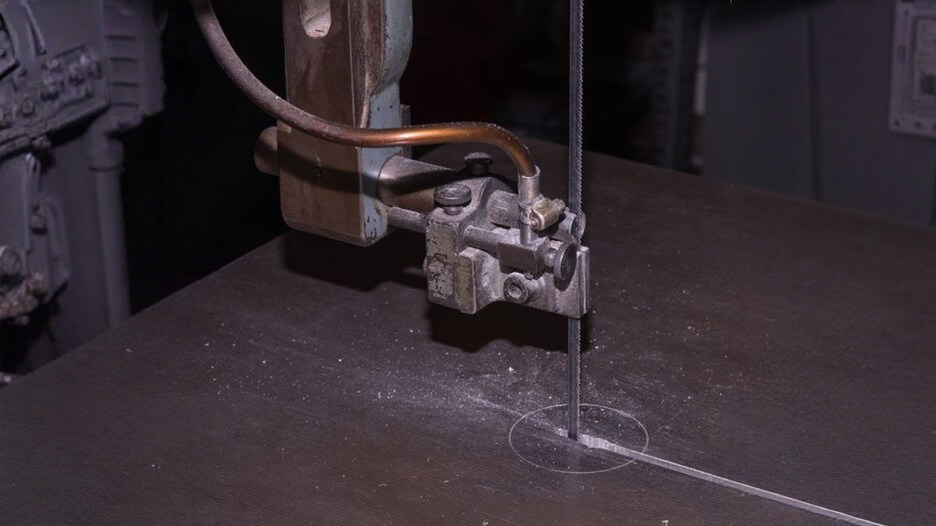
Machine tools remove material with controlled precision to create components used in countless industries. Students develop an understanding of machine setup, cutting tools, machining operations, feeds and speeds, and safe equipment operation while learning how different manufacturing processes are selected based on the material and design requirements of each project.
Manufacturing Safety and Quality
Safety is a fundamental responsibility in every manufacturing environment. Throughout the program, students learn why proper machine operation, workplace organization, and safe handling of tools and materials help protect employees while supporting efficient production. Students also explore quality control principles that help manufacturers maintain consistency and meet customer expectations.
Problem-Solving in Manufacturing
Manufacturing professionals regularly analyze measurements, troubleshoot machining challenges, and make adjustments to improve production quality. Students strengthen their critical thinking skills by learning how to identify issues, evaluate possible solutions, and apply technical knowledge to achieve accurate, repeatable manufacturing results.
Rather than simply introducing machining concepts, our instructors help students understand how each skill contributes to the complete manufacturing process—from interpreting an engineering drawing to producing a finished component that meets precise quality standards.
Inside the Manufacturing Lab: Learning Through Hands-On Experience
Manufacturing is a skill-based profession where confidence develops through practice. While classroom instruction provides the technical foundation, students strengthen their abilities by applying what they have learned in a supervised laboratory environment that reflects modern manufacturing workflows.
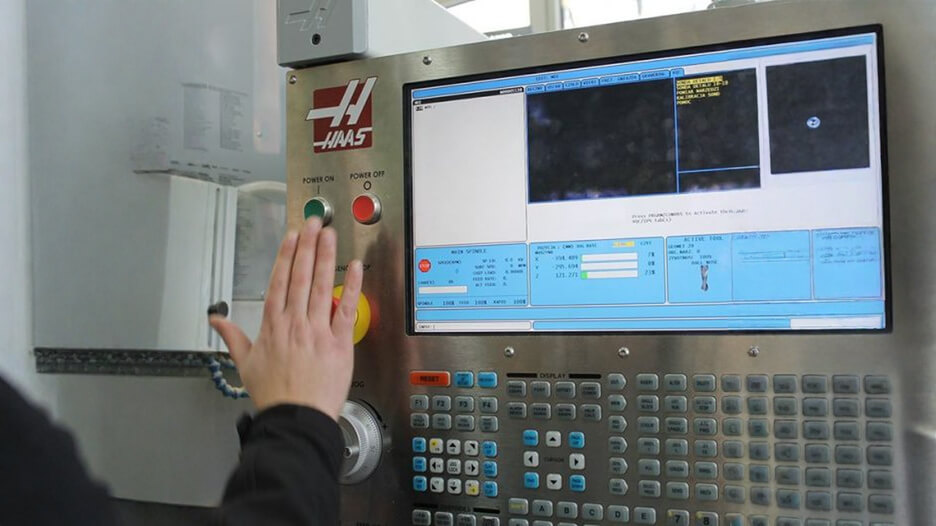
Throughout TI's Sharon Machine Tool Technology & Advanced Manufacturing Training program, students work with manufacturing equipment, precision measuring instruments, and machining tools while receiving individualized guidance from experienced instructors. Laboratory exercises reinforce the principles introduced in class, allowing students to develop technical accuracy while understanding how manufacturing decisions affect quality, efficiency, and workplace safety.
As students gain experience, they progress from foundational machining techniques to more advanced projects that require careful planning, blueprint interpretation, precision measurement, and quality inspection. This gradual progression helps students build confidence while preparing for the expectations of today's manufacturing employers.
Rather than focusing solely on operating machines, we emphasize the complete manufacturing process—from planning and setup to inspection and continuous improvement—because successful manufacturing technicians understand how every stage contributes to producing reliable, high-quality components.
How Precision Manufacturing Supports Everyday Industries
Many people are surprised by how many industries depend on precision manufacturing. Components produced through machining and advanced manufacturing processes are found in products and equipment people use every day.
For example, precision-manufactured components help support:
- Medical devices used in hospitals and healthcare facilities
- Aerospace systems requiring extremely tight tolerances
- Automotive parts designed for safety and performance
- Industrial machinery used in manufacturing and construction
- Electronic equipment and advanced technology products
Although the products may differ, every industry depends on manufacturing professionals who can interpret engineering drawings, operate equipment accurately, verify dimensions, and maintain consistent quality standards. Throughout the program, students learn how these responsibilities contribute to products that must perform safely, reliably, and consistently in real-world applications.
Understanding the broader role of manufacturing helps students recognize that precision machining is about more than producing individual parts—it's about supporting industries that rely on quality, innovation, and technical excellence.
Why Students from Sharon Pursue Manufacturing Careers
How Students Develop Precision Manufacturing Skills
Why Employers Value Manufacturing Technicians
Manufacturing employers seek individuals who do more than operate equipment. They look for professionals who demonstrate precision, reliability, teamwork, and a commitment to producing quality work.
Throughout TI's Machine Tool Technology & Advanced Manufacturing Training program, students develop these professional habits alongside their technical education. They learn that accuracy, communication, organization, and accountability contribute directly to efficient manufacturing operations and product quality.
As manufacturing technologies continue to evolve, employers also value individuals who are willing to learn new processes, adapt to changing technologies, and approach challenges with analytical thinking. By combining practical machining skills with these workplace competencies, graduates are better prepared to contribute to advanced manufacturing environments throughout Massachusetts.
Frequently Asked Questions About Sharon Machine Tool Technology & Advanced Manufacturing Training
What is Machine Tool Technology and Advanced Manufacturing?
Machine Tool Technology and Advanced Manufacturing focuses on producing precision components using machining equipment, engineering drawings, measuring instruments, and quality control processes. These skills support industries ranging from healthcare and aerospace to industrial manufacturing and advanced technology.
Why is blueprint reading important in manufacturing?
Engineering drawings communicate dimensions, materials, tolerances, and production requirements. Learning to interpret blueprints accurately allows manufacturing professionals to produce components that meet design specifications while maintaining quality standards.
Will I receive hands-on manufacturing training?
Yes. Hands-on laboratory instruction is a core part of TI's educational approach. Students strengthen their skills by applying classroom concepts through supervised machining projects and precision measurement exercises.
Do I need previous manufacturing experience?
No. The program is designed for beginners, career changers, and anyone interested in developing technical manufacturing skills. Students progress from foundational concepts to more advanced manufacturing applications with guidance from experienced instructors.
What industries hire graduates of Machine Tool Technology & Advanced Manufacturing programs?
Graduates may find opportunities in industries such as aerospace, medical device manufacturing, industrial equipment, automotive, precision machining, electronics, and advanced manufacturing, where precision, quality, and technical expertise are highly valued.
Why do students from Sharon choose TI?
Students from Sharon appreciate TI's convenient location, experienced manufacturing instructors, hands-on laboratory education, small class sizes, and more than 50 years of preparing graduates for careers in skilled technical industries.
Machine Tool Technology
(Advanced Manufacturing) Program Approval & Accreditation
Southeastern Technical Institute
is accredited by the Commission of the Council on Occupational Education
7840 Roswell Road, Building 300, Suite 325 Atlanta, GA 30350
www.council.org
770.396.3898
Massachusetts Department of Elementary & Secondary Education
Office for Career/Vocational Technical Education
75 Pleasant Street
Malden, MA 02148-4906
www.doe.mass.edu
781.338.3000
Machine Tool Technology & Advanced Manufacturing Training in Sharon and nearby areas
Foxborough Machine Tool Technology & Advanced Manufacturing Training
Easton Machine Tool Technology & Advanced Manufacturing Training
Mansfield Machine Tool Technology & Advanced Manufacturing Training
Norton Machine Tool Technology & Advanced Manufacturing Training
Brockton Machine Tool Technology & Advanced Manufacturing Training