
Metro South
Career Training
Build the Skills for Your Future at TI
If you're searching for Metro South Career Training, South Eastern Technical Institute offers an educational experience built around practical learning, workforce preparation, and long-term career success. Through Career & Technical Education, experienced instructors, and hands-on training environments, students develop the technical knowledge, professional confidence, and employability skills needed to thrive in today's evolving workforce.
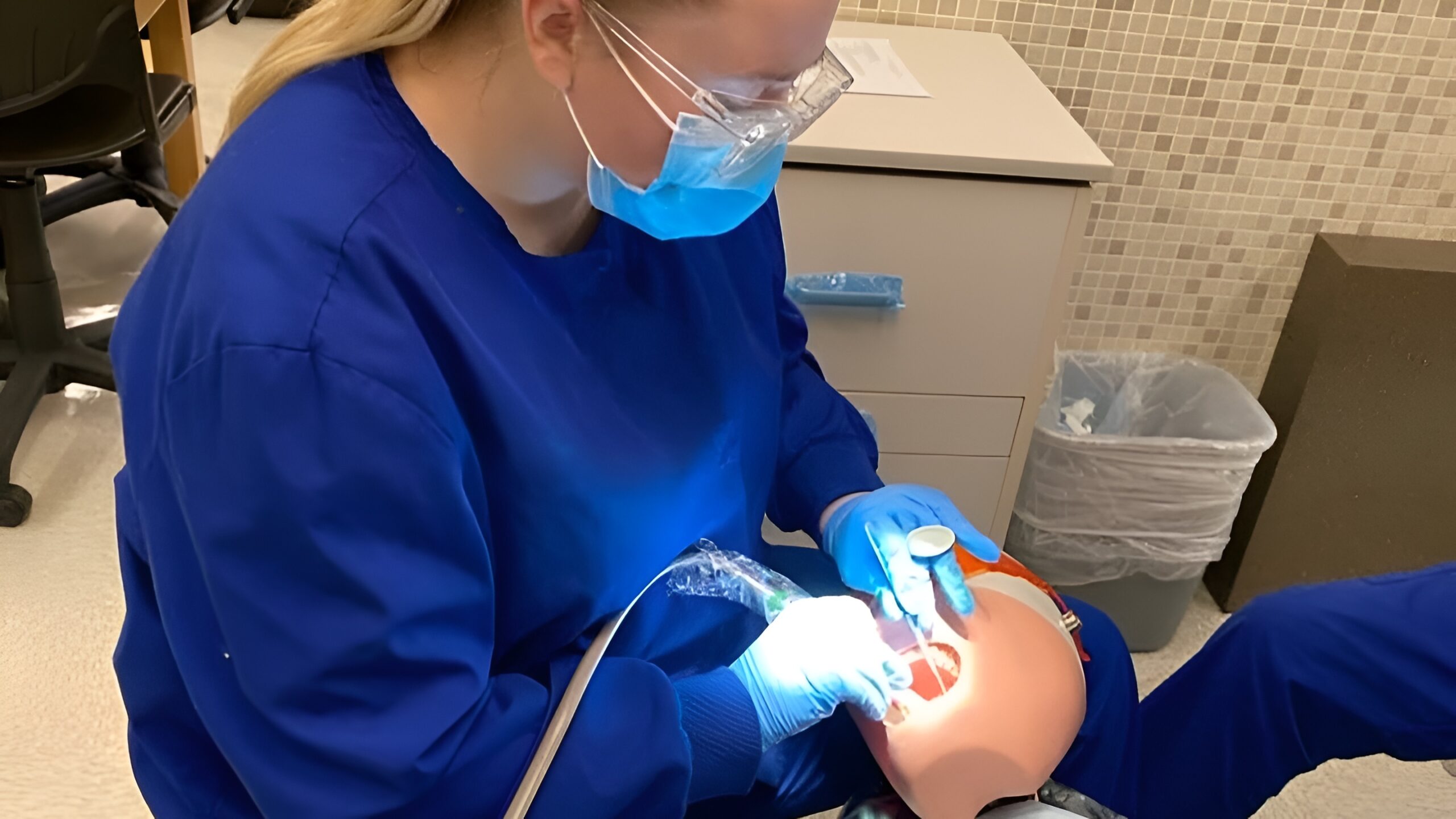
Metro South Career Training | Prepare for a Career with Practical Skills and Workforce-Focused Education
At South Eastern Technical Institute (TI), students from Metro South have convenient access to career-focused education without having to relocate far from home. Located in nearby South Easton, TI has delivered Career & Technical Education (CTE) for more than 50 years, helping students prepare for careers in healthcare, skilled trades, advanced manufacturing, culinary arts, cosmetology, and technical services. By combining classroom instruction with practical experience, TI helps students develop both technical competencies and the workplace skills employers consistently value.
What Is Career Training?
Career training is an educational approach that prepares students for specific occupations through practical instruction, technical knowledge, and workforce-focused learning. Rather than emphasizing broad academic studies alone, career training is designed to help students develop the skills, problem-solving abilities, and professional habits needed to succeed in today's industries.
Often associated with Career & Technical Education (CTE), career training combines classroom learning with applied experiences such as laboratory instruction, clinical education, technical workshops, simulations, and project-based learning. This balanced approach allows students to move beyond theory by practicing the skills they'll use in professional environments.
At TI, career training emphasizes continuous learning and technical competency. Students strengthen not only occupation-specific knowledge but also transferable workplace skills including communication, teamwork, critical thinking, adaptability, professionalism, and time management. These competencies remain valuable regardless of the career path students choose.
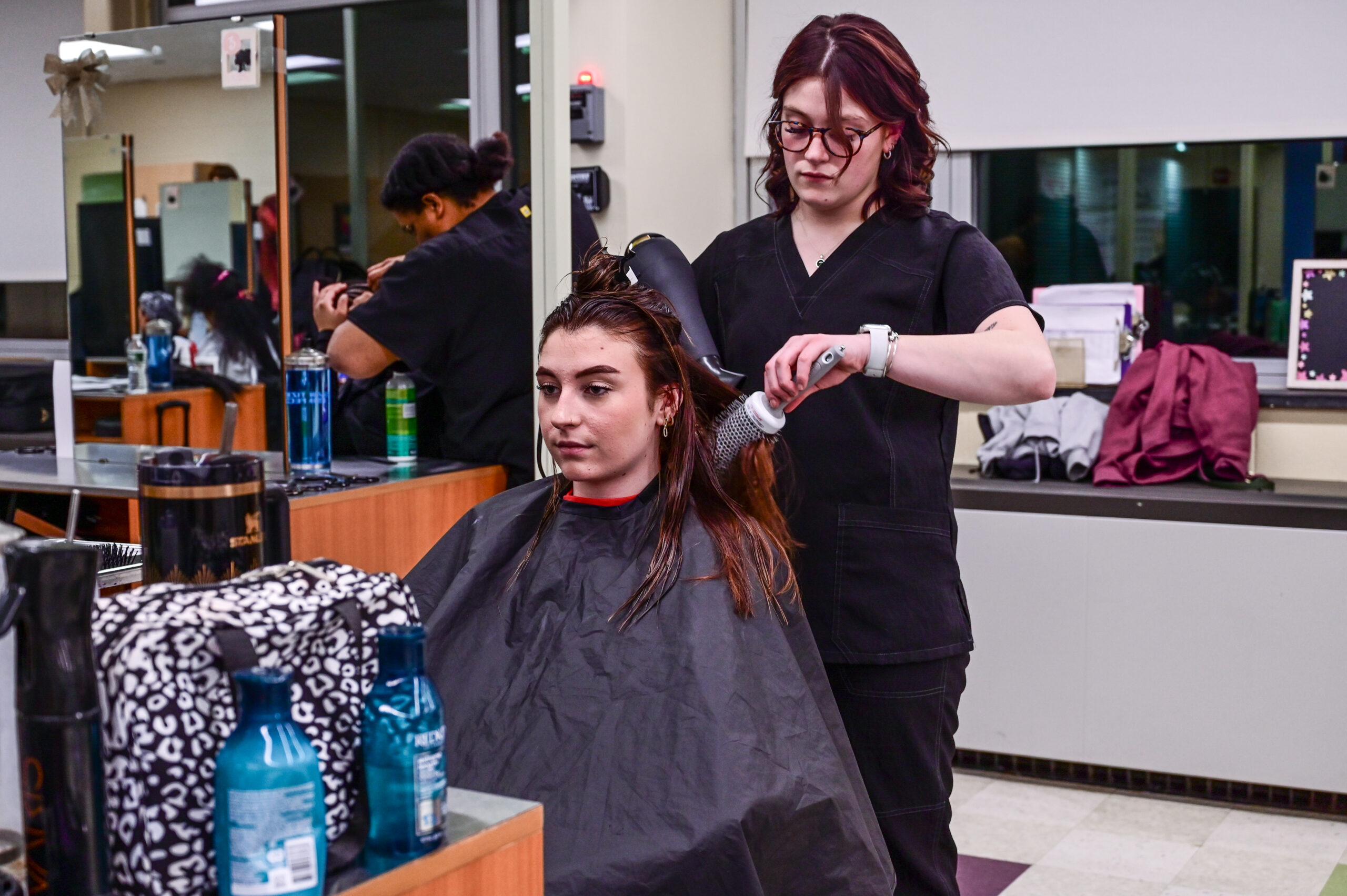
Career Training vs. Traditional College: Which Educational Path Is Right for You?
Many prospective students compare career training with a traditional college education when planning their future. Both educational pathways can lead to rewarding careers, but they serve different goals and learning preferences.
Traditional colleges often emphasize broad academic study before students specialize in a profession. Career training, by contrast, focuses on preparing students with practical, industry-specific skills from the beginning of their education. Students spend more time applying concepts through hands-on experiences that closely reflect workplace expectations.
For individuals who enjoy learning through practical application, solving real-world problems, and developing technical expertise, career training offers an educational model built around workforce readiness. Rather than asking which option is universally "better," it's more useful to consider which learning environment best supports your career goals, interests, and preferred learning style.
Why Career Training Continues to Grow
As industries continue to evolve, employers increasingly seek individuals who possess practical skills, technical competence, and the ability to adapt to changing technologies. Career training has become an increasingly valuable pathway because it prepares students to meet these expectations while supporting long-term professional development.
Students often choose career training because it provides opportunities to:
- Develop practical skills through hands-on learning
- Build technical competencies aligned with employer expectations
- Strengthen communication, teamwork, and workplace professionalism
- Prepare for careers in healthcare, manufacturing, skilled trades, hospitality, and technical services
- Gain confidence through applied learning and instructor feedback
- Explore career pathways that support long-term professional growth
Career training also serves a diverse range of learners, including recent high school graduates, adult learners, military veterans, career changers, and individuals returning to education after time in the workforce. Regardless of background, students benefit from an educational model that emphasizes workforce readiness, lifelong learning, and continuous skill development.
Career Pathways That Support Today's Workforce
One of the greatest strengths of career training is the opportunity to prepare for industries that continue to play an important role in the regional economy. Rather than limiting students to a single career option, TI offers programs that support multiple workforce sectors while helping students discover professions that match their interests and goals.
Students can explore programs in areas including:
Healthcare
- Practical Nursing
- Medical Assisting
- Dental Assisting
Skilled Trades
- Electrical
- Plumbing
- HVAC & Refrigeration
Manufacturing & Industrial Technology
- Machine Tool Technology & Advanced Manufacturing
- Metal Fabrication & Welding Technology
Professional & Creative Services
- Cosmetology
- Culinary Arts
Each program combines classroom instruction with practical application, allowing students to build technical expertise while strengthening the employability skills needed for long-term career success. Whether your goal is to work in patient care, advanced manufacturing, skilled trades, hospitality, or another technical profession, TI's career training programs provide a strong foundation for continued learning and professional growth.
Learning Through Experience: Turning Knowledge into Practical Skills
One of the defining features of quality career training is the opportunity to apply classroom concepts in environments that reflect real workplace expectations. At TI, students strengthen their understanding through hands-on experiences that encourage active participation, technical problem-solving, and continuous improvement rather than relying solely on lectures or textbooks.
Depending on their program of study, students at TI may participate in experiences such as:
- Hands-on laboratory instruction
- Clinical learning experiences
- Industry-relevant technical projects
- Equipment demonstrations
- Scenario-based problem solving
- Instructor-guided practical exercises
- Technical workshops and simulations
- Collaborative team-based learning
These experiences vary by program while sharing the same objective—helping students build confidence through practical application. Healthcare students may practice patient care techniques in supervised clinical environments, while skilled trades students learn to install electrical systems, troubleshoot HVAC equipment, or work with plumbing components. Manufacturing students develop precision measurement and machining skills using industry-relevant equipment, while Culinary Arts and Cosmetology students refine technical techniques through instructor-supervised projects. By repeatedly applying classroom concepts, students graduate with a stronger understanding of both technical procedures and professional expectations.
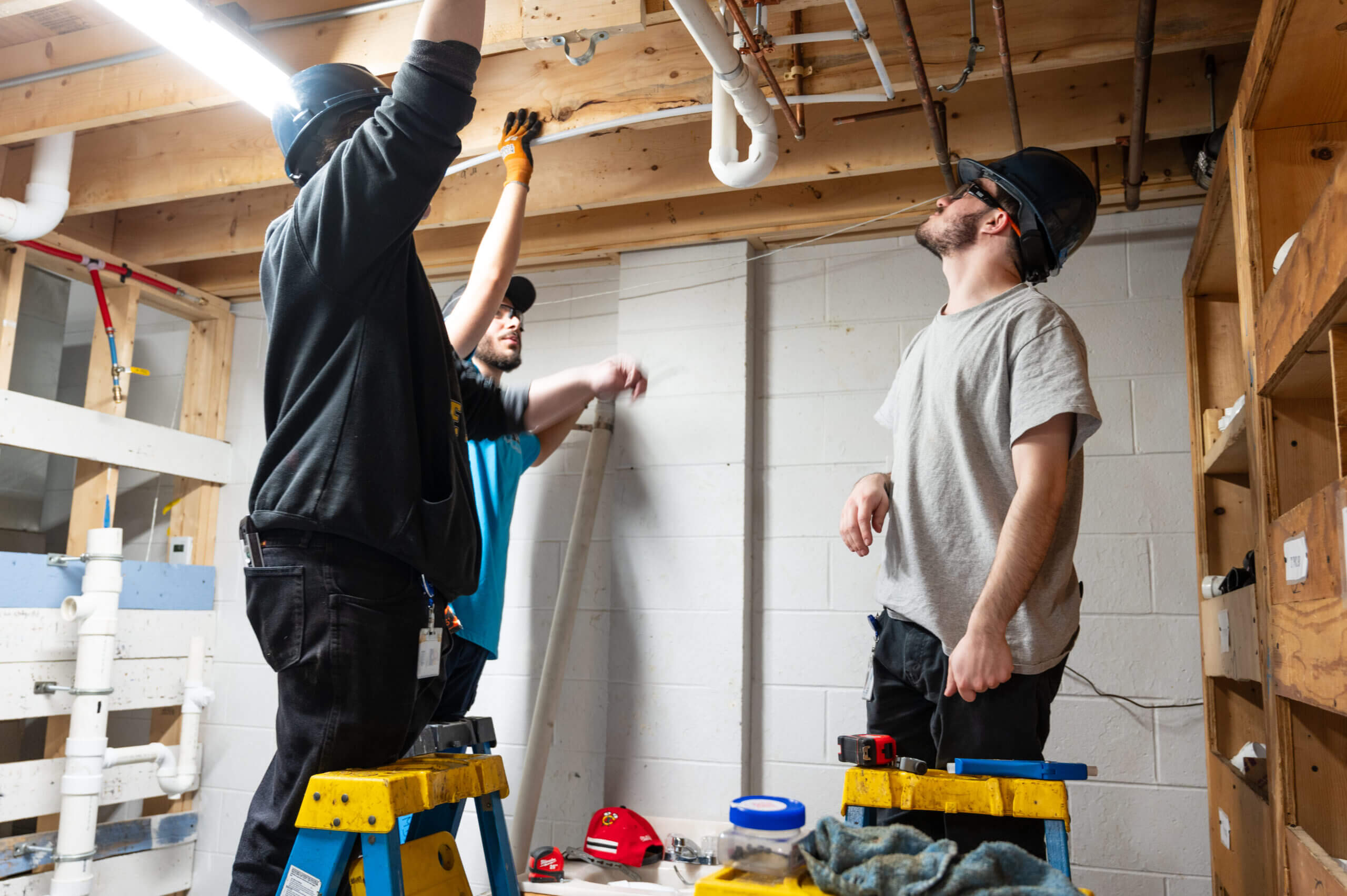
Why Students from Metro South Choose TI
From Career Exploration to Career Success
For one Metro South resident, career growth became a priority after realizing that advancement often depended on specialized knowledge rather than years of experience alone. Working in warehouse operations had developed strong organizational skills, attention to detail, and reliability, but many higher-level positions required technical training and a broader understanding of industry practices. Looking for an educational pathway with immediate workplace relevance, they enrolled at South Eastern Technical Institute (TI) to prepare for opportunities across Metro South's diverse employment market. Instead of measuring progress by grades alone, the student focused on becoming the kind of professional employers rely on when responsibilities become more complex. Through instructor-led laboratories, applied technical projects, collaborative assignments, and realistic workplace scenarios, they learned to analyze problems, communicate effectively within teams, adapt to new technologies, and make informed decisions under real-world conditions. This practical approach helped bridge the gap between previous work experience and the technical competencies needed for long-term advancement. By the time the program concluded, the student had shifted from viewing career training as a way to find a different job to seeing it as a foundation for ongoing professional development. With assistance from TI's career services, they connected with employers throughout southeastern Massachusetts, secured an entry-level technical position, and began building a career with clear opportunities for future specialization and leadership. Their story demonstrates how Metro South Career Training can help experienced workers transform operational knowledge into lasting professional success.
Frequently Asked Questions About Metro South Career Training
What is career training?
Career training is an educational approach that prepares students for specific occupations through practical instruction, technical knowledge, and hands-on learning. It emphasizes workforce readiness by helping students develop the skills employers expect in professional environments.
Is career training a good choice for career changers?
Yes. Career training is a popular option for adult learners, military veterans, and individuals changing careers because it focuses on developing practical, industry-relevant skills that support new employment opportunities.
How is career training different from a traditional college education?
Traditional colleges often emphasize broader academic studies before specialization, while career training focuses on practical, occupation-specific education from the beginning. Students spend more time developing technical competencies through laboratories, clinical experiences, simulations, and applied learning.
Do I need previous experience before enrolling?
No. Many TI students begin with little or no technical background. Programs are designed to introduce foundational concepts before progressing to more advanced skills through structured instruction and hands-on learning.
What industries can career training prepare me for?
TI offers career-focused programs that prepare students for opportunities in healthcare, skilled trades, advanced manufacturing, culinary arts, cosmetology, and other workforce-driven industries throughout southeastern Massachusetts.
Does TI help students prepare for employment?
Yes. Students have access to career planning, résumé development, interview preparation, employment readiness support, and professional development resources designed to help them transition successfully into the workforce.
Why should students from Metro South choose TI?
Students choose TI because of its convenient location, more than 50 years of vocational education experience, accredited public institution status, experienced instructors, hands-on learning model, career-focused programs, and commitment to workforce readiness.
Why do students from Metro South choose TI for career training?
Students choose TI because of its convenient location, more than 50 years of Career & Technical Education experience, accredited public institution status, experienced instructors, hands-on learning environments, career-focused curriculum, and commitment to preparing graduates for long-term career success.
How do I choose the right career training program?
The right program depends on your interests, career goals, preferred work environment, and the industries you want to pursue. TI's Admissions team can help you explore available programs, explain admissions requirements, discuss financial aid opportunities for eligible students, and identify educational pathways that align with your career objectives.