
Mansfield
Practical Nursing (LPN) Training Program
Back to Programs
Apply Now
Request Information
Financial Aid
Take the First Step Toward a Career in Nursing
A rewarding nursing career begins with a strong educational foundation. If you're ready to explore a Mansfield Practical Nursing (LPN) Training Program, Southeastern Technical Institute offers the hands-on instruction, experienced nursing faculty, and supportive learning environment needed to help you prepare for entry-level nursing practice.
Practical Nurse Resources
Admission
Course Description
Program Expenses
Practical Nurse Frequently Asked Questions
2025-2026 Practical Nurse Handbook
Program Outcomes
Request for Accommodations
Full-Time Day Schedule
Sept to
JUNE
40 Week Program
Mon – Fri
8:00 AM – 2:10 PM Classroom
7:00 AM – 3:30 PM Clinical
Mansfield Practical Nursing (LPN) Training Program | Begin Your Nursing Journey at Southeastern Technical Institute
At Southeastern Technical Institute (TI), we have prepared students throughout southeastern Massachusetts for healthcare careers for more than 50 years. Although our campus is located in South Easton, many students from Mansfield choose TI because they can receive hands-on nursing education while remaining close to home. Through classroom instruction, laboratory practice, and supervised clinical experiences, our Practical Nursing program prepares students to provide safe, patient-centered care while building the confidence expected of entry-level Licensed Practical Nurses (LPNs).
Nursing is a profession built on technical knowledge, critical thinking, communication, and compassion. Throughout the program, we help students understand not only how to perform nursing skills, but also why every action—from measuring vital signs to communicating with patients—contributes to quality healthcare outcomes.
Why Practical Nurses Play an Essential Role in Healthcare
Licensed Practical Nurses are an important part of today's healthcare workforce. Working alongside Registered Nurses, physicians, and other healthcare professionals, LPNs provide direct patient care while helping ensure healthcare environments remain safe, organized, and responsive to patient needs.
Depending on the healthcare setting, practical nurses may monitor patients, measure vital signs, assist with treatments, administer medications within their scope of practice, document patient information, observe changes in patient condition, and communicate important updates to the healthcare team. They also play an important role in supporting patients and families by providing education, encouragement, and compassionate care throughout the treatment process.
Because practical nurses spend significant time interacting with patients, strong communication skills, professionalism, attention to detail, and empathy are just as important as technical nursing knowledge. These qualities help create positive patient experiences while supporting effective collaboration among healthcare professionals.
%
TI Current Licensure
%
TI Current Job Placement Rate
Understanding the Difference Between an LPN, RN, and CNA
One of the first questions many prospective students ask is how the roles of a Licensed Practical Nurse, Registered Nurse, and Certified Nursing Assistant differ. While all three professions contribute to patient care, each has distinct responsibilities within the healthcare team.
Certified Nursing Assistants (CNAs) primarily provide direct personal care by assisting patients with activities such as mobility, hygiene, and daily living needs under the supervision of licensed nursing staff.
Licensed Practical Nurses build upon that foundation by providing nursing care that may include monitoring patient conditions, administering medications within their scope of practice, assisting with treatments, documenting patient information, and communicating patient observations to physicians and Registered Nurses. Their role combines clinical knowledge with compassionate bedside care, making them an essential part of hospitals, rehabilitation centers, long-term care facilities, and outpatient healthcare settings.
Registered Nurses (RNs) typically assume broader responsibilities involving comprehensive patient assessments, care planning, clinical decision-making, leadership, and coordination of nursing services.
For many students, becoming an LPN provides a practical entry point into nursing while creating opportunities for future professional growth through additional education and experience.
What You'll Learn During Practical Nursing Training
Preparing for a nursing career involves much more than learning individual clinical procedures. Every lesson in TI's Mansfield Practical Nursing (LPN) Training Program is designed to help students understand the connection between clinical knowledge, patient safety, and compassionate care.
Throughout the program, students develop foundational nursing skills while learning why each competency is essential in professional healthcare environments.
Patient Assessment and Vital Signs
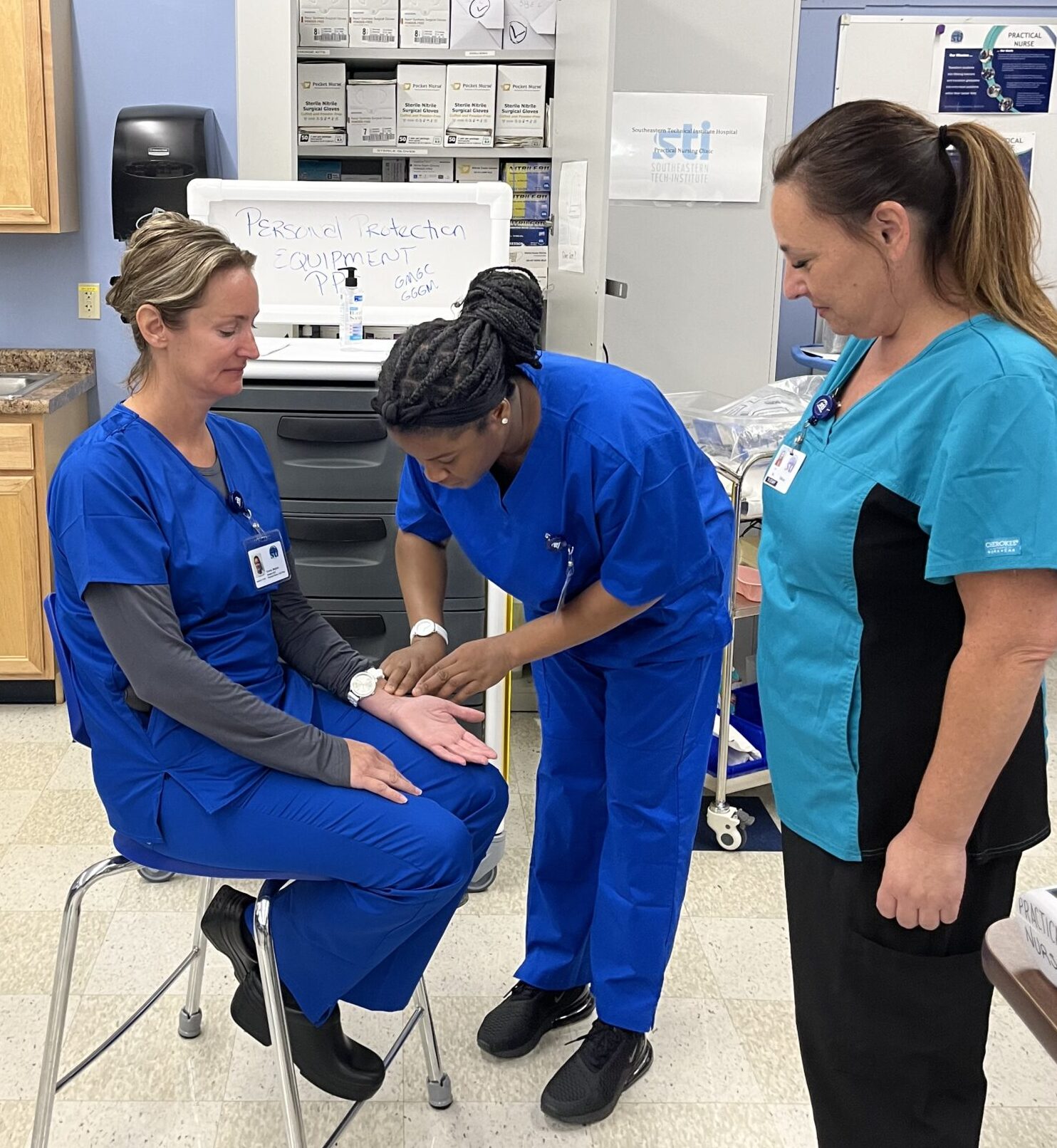
Accurate patient assessment begins with careful observation and measurement. Students learn how to obtain vital signs—including blood pressure, pulse, respiration, temperature, and oxygen saturation—because these measurements help healthcare providers evaluate patient conditions, recognize changes, and make informed clinical decisions.
Infection Prevention and Patient Safety
Protecting patients from illness and preventing the spread of infection are fundamental responsibilities in every healthcare setting. Students learn infection prevention principles, proper hand hygiene, safe equipment handling, and other clinical practices that support a safe environment for patients, visitors, and healthcare professionals.
Therapeutic Communication
Nursing involves caring for people during moments that may be stressful, emotional, or uncertain. Throughout the program, students strengthen their communication skills by learning how to listen actively, explain procedures clearly, respond professionally to patient concerns, and work collaboratively with healthcare teams. Building trust through respectful communication is an essential part of delivering compassionate, patient-centered care.
Clinical Documentation and Professional Responsibility
Accurate documentation helps ensure continuity of care while supporting communication among healthcare providers. Students develop an understanding of professional accountability, confidentiality, and ethical responsibilities while learning the importance of documenting patient information clearly and accurately.
Rather than simply memorizing procedures, students apply these concepts through guided laboratory instruction and supervised clinical experiences that reinforce both technical competence and professional judgment.
From Classroom Learning to Clinical Experience
Becoming a practical nurse is a step-by-step process that combines knowledge, technical skill, and real-world application. At Southeastern Technical Institute, students first build a strong academic foundation before applying those concepts through laboratory practice and supervised clinical experiences.
Laboratory instruction allows students to practice essential nursing skills in a structured learning environment where instructors provide immediate guidance and feedback. As students gain confidence, they progress to clinical experiences that reinforce classroom learning while exposing them to the responsibilities and pace of patient care in professional healthcare settings.
This progression helps students understand that successful nursing is more than performing individual procedures. It requires critical thinking, attention to detail, adaptability, and the ability to provide compassionate care while working as part of a multidisciplinary healthcare team.
The Nursing Process: Learning to Think Like a Nurse
One of the most valuable skills students develop during TI's Mansfield Practical Nursing (LPN) Training Program is clinical judgment. Nurses are expected to observe patients carefully, recognize changes in their condition, communicate important information, and contribute to safe, effective care.
Throughout the program, students learn how to approach patient care systematically by gathering information, identifying patient needs, implementing appropriate nursing interventions, and evaluating outcomes under the guidance of experienced nursing faculty. This structured approach helps students understand how clinical decisions support patient safety and improve healthcare outcomes.
Equally important is learning how to prioritize responsibilities, manage time effectively, and communicate with patients, families, nurses, physicians, and other healthcare professionals. These workplace habits are reinforced throughout classroom instruction, laboratory practice, and clinical experiences because they are essential components of professional nursing.
Why Students from Mansfield Choose TI
Many students from Mansfield are not beginning their professional journey—they're redefining it. A {{mpg_city}} Practical Nursing (LPN) Training Program offers an opportunity to build upon years of workplace experience while transitioning into a profession centered on caring for others. Southeastern Technical Institute (TI) supports that transition through practical nursing education designed for motivated adult learners and career changers. Whether you're near Mansfield Town Hall, Qualters Middle School, the Mansfield Council on Aging, Fulton Pond, Hopewell Park, or the Chauncy Street business district, TI provides an accessible option that allows students to continue their daily responsibilities while preparing for a new career. Students value TI because the program recognizes that qualities such as communication, responsibility, and professionalism are already strengths they possess. Through laboratory instruction, supervised clinical learning, and faculty mentorship, they build the nursing knowledge and clinical judgment needed to successfully enter the healthcare profession.
Why Healthcare Employers Value Licensed Practical Nurses
Healthcare employers seek practical nurses who combine technical competence with professionalism, compassion, and reliability. While clinical skills are essential, employers also value nurses who communicate effectively, adapt to changing situations, maintain accurate documentation, and contribute positively to patient-centered care.
Throughout TI's Practical Nursing program, we emphasize these professional expectations alongside nursing knowledge and clinical practice. Students learn that every interaction with a patient is an opportunity to demonstrate respect, empathy, and accountability while working collaboratively with the broader healthcare team.
By developing both clinical ability and professional confidence, graduates are better prepared to contribute to healthcare organizations that prioritize patient safety, quality care, and teamwork.
How Students Develop Nursing Confidence
Frequently Asked Questions About Mansfield Practical Nursing (LPN) Training Program
Is becoming an LPN a good first step toward a nursing career?
For many students, yes. Practical nursing provides direct patient care experience while developing the clinical knowledge, communication skills, and professional habits needed to begin a rewarding nursing career.
Will I receive hands-on nursing training?
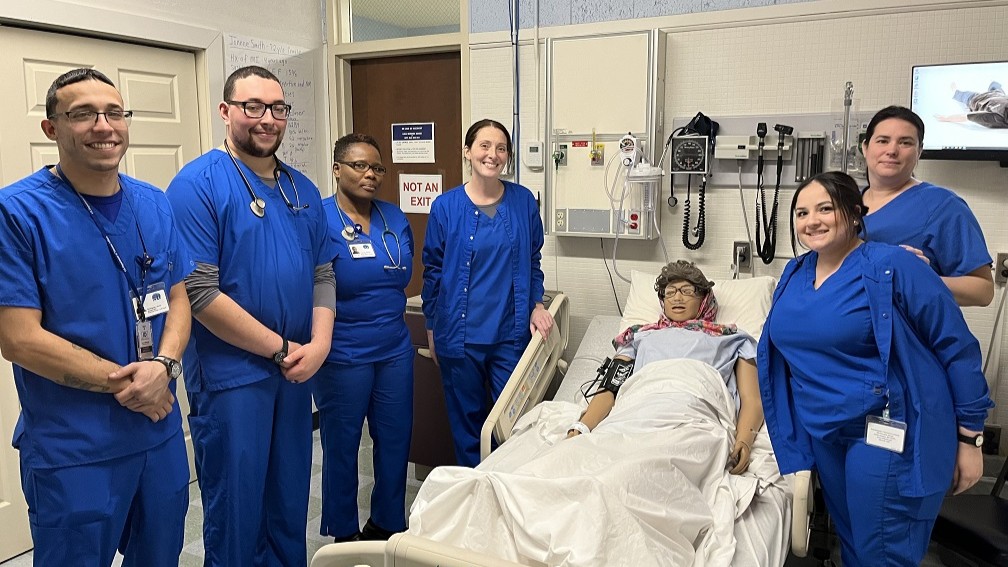
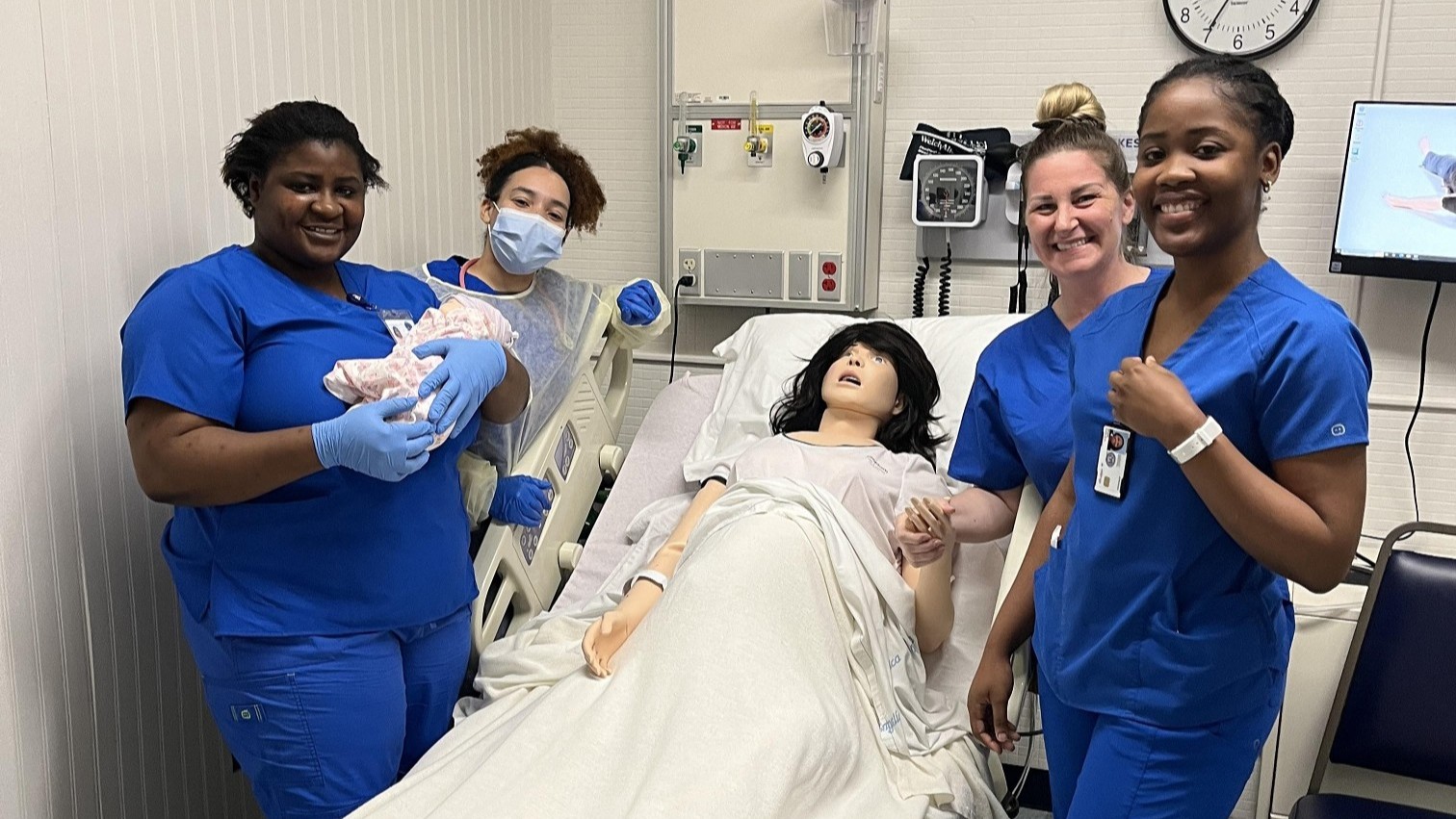
Yes. Students participate in laboratory instruction and supervised clinical experiences that reinforce classroom learning while helping build confidence in real healthcare environments.
What skills are most important for Licensed Practical Nurses?
Successful LPNs combine clinical knowledge with therapeutic communication, critical thinking, professionalism, organization, and compassionate patient care. These skills are developed throughout TI's Practical Nursing program.
How does TI prepare students for the NCLEX-PN?
TI's curriculum integrates classroom instruction, laboratory practice, and supervised clinical experiences to help students develop the nursing knowledge, clinical judgment, and patient care competencies expected of entry-level Licensed Practical Nurses. Students should contact TI's admissions office for the latest information regarding licensure requirements and program outcomes.
Why do students from Mansfield choose TI?
Students from Mansfield appreciate TI's convenient location, experienced nursing faculty, hands-on learning environment, and more than 50 years of preparing healthcare professionals through workforce-focused technical education.
Practical Nurse Programs Approval & Accreditation
Massachusetts Board of Registration in Nursing
250 Washington St, Boston, MA 02108
www.mass.gov/dph/boards/rn
617-973-0800
Massachusetts Department of Elementary & Secondary Education
135 Santilli Highway, Everett, MA 02149
www.doe.mass.edu
781-338-3000
Practical Nursing (LPN) Training Program in Mansfield and nearby areas
Norton Practical Nursing (LPN) Training Program
Easton Practical Nursing (LPN) Training Program
Sharon Practical Nursing (LPN) Training Program
West Bridgewater Practical Nursing (LPN) Training Program
East Bridgewater Practical Nursing (LPN) Training Program